Find it in the files, not the field.
Machine-speed analysis of technical specifications. Find contradictions, gaps, and duplicates before sign-off.
Find it in the files, not the field.
Machine-speed analysis of technical specifications. Find contradictions, gaps, and duplicates before sign-off.
Requirements engineering, specification quality, and what AI really changes about reviewing a spec. Written around real automotive and SDV programmes: ASPICE traceability, contradiction detection, and the gaps that surface after sign-off.

An AI-generated requirement can be fluent, technically structured, and completely wrong, and still pass every skim-level review before sign-off. Wyzer's co-founder argues that accountability for AI output, not ownership of AI itself, is the question automotive engineering hasn't answered yet, and the vendors' own terms of service have already decided where that accountability lands.

In 1992, two engineers at Denso Wave solved a shop-floor scanning problem, then gave the fix away for free. That's why it became the QR code. Specification review runs into the same problem today: teams point AI at a messy document before anyone finds where the friction actually is, which is the gap Wyzer Detective is built to close.

AI can identify candidate contradictions in requirements, but language understanding alone produces too many false positives for engineering quality gates. This is why hybrid approaches , combining semantic search, deterministic validation, and structured evidence is the only path to precision at scale.

Foundation model capability is a fast-moving market, which is good for buyers except for the part of a product built directly on top of it. For tools that analyze engineering specifications, that part matters more than it looks.

We bet on TOON to cut token costs across our agent network, then watched it collapse on deeply nested data. JSON held up where TOON and CSV broke down, but no single format won everywhere. The real lesson: match the format to the data, not the other way around.
A software requirement can be correctly, bidirectionally traced to its parent and still fail an ASPICE assessment, because nothing checked whether the parent itself was sound. Here's the difference between a trace that exists and a trace that's true.

The speed gap between European and Chinese OEMs isn't mainly about culture or process. It's about information density. No single engineer can hold a 500-requirement specification in their head — so decisions that should take one day take three weeks and require ten people in a room.

Wyzer runs its own bug reports and customer feedback through the same kind of agent pipeline we build for specifications, with one rule that doesn't bend: nothing improves the underlying engine unless the customer said yes.
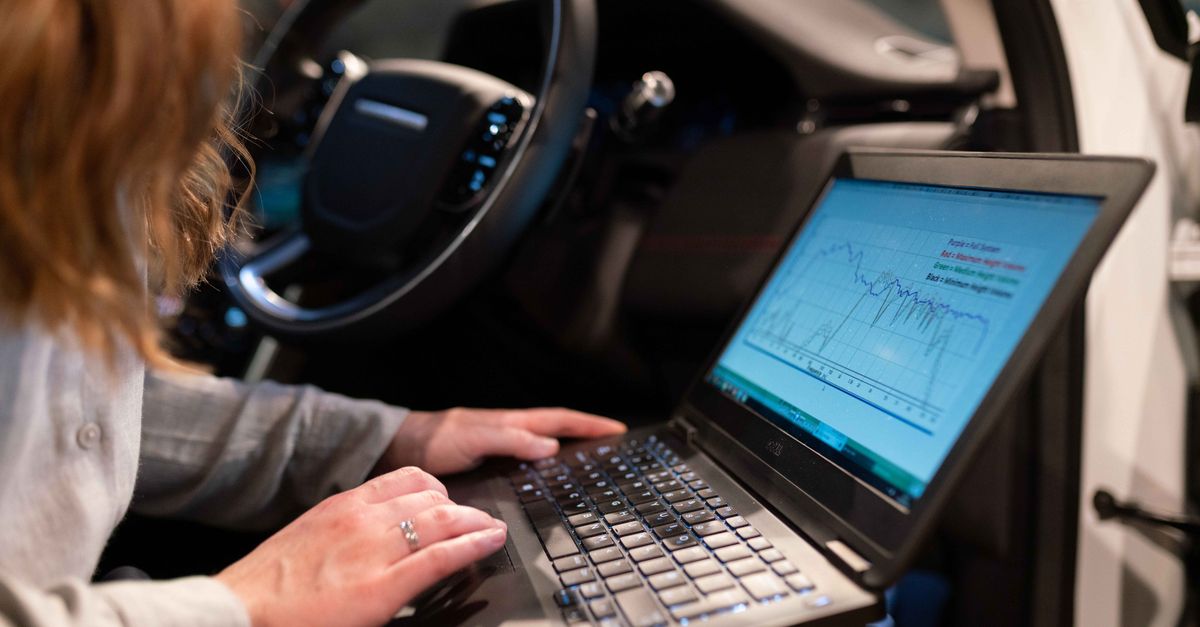
Weak foundations create invisible cost that only becomes obvious when it is too late to avoid. Software does not infer intent. It executes instructions exactly as written, even when those instructions are incomplete or contradictory. And despite dramatic advances in validation capability, modern vehicle programmes still discover critical issues late. Deterministic analysis allows ambiguity, duplication, and conflict to be surfaced early, while intent can still be clarified and changes are still cheap.

From Clay to Code (Part 3) Simulation is no longer a support activity. It is a primary validation engine. Crash, ADAS, powertrain, calibration, emissions, and software verification are now explored virtually at a scale that replaces large portions of physical development. Yet despite this progress, familiar problems persist. Programmes still slip. Integration remains painful. Quality risks are often discovered later than anyone would like.
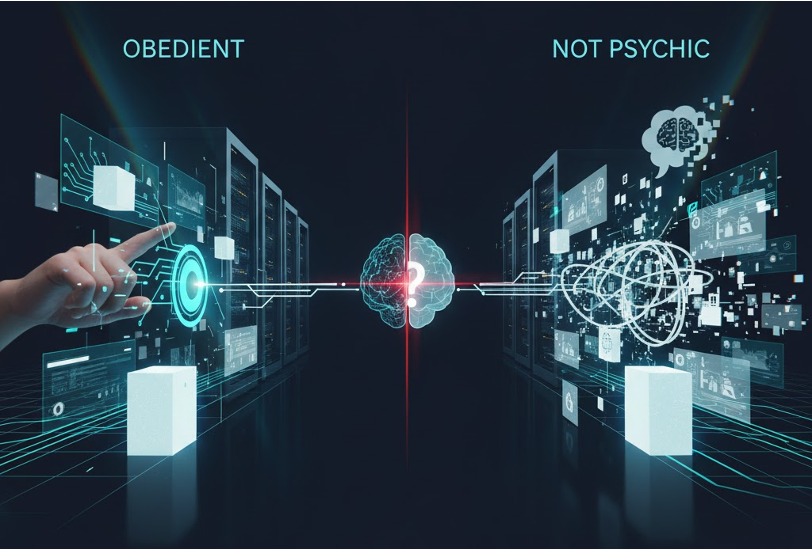
The Delay Starts Before Software. (Part 2 - From Clay to Code) The cost of vague requirements is invisible until the worst possible moment: integration, validation, and certification. That is when the bill for "moving fast" arrives. AI has made this easier to explain. Vague prompts lead to "hallucinations" or garbage output. Structured prompts with constraints lead to excellence.
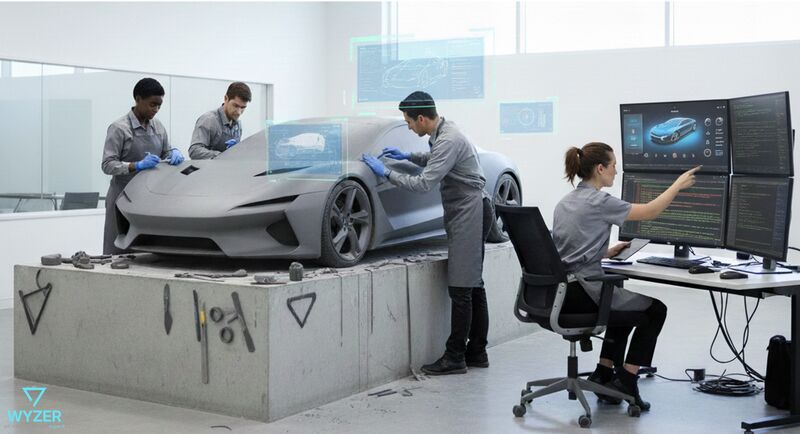
Bringing Craftsmanship into Digital Automotive Experiences with Software. For decades, the heart of automotive design has lived in clay. Today, the digital experience is the car. Software defined vehicles, centralised compute, AI and over the air updates now shape how drivers connect, navigate, charge, and how they feel the brand over time. That digital layer deserves the same studio mindset, not a rushed afterthought.
